
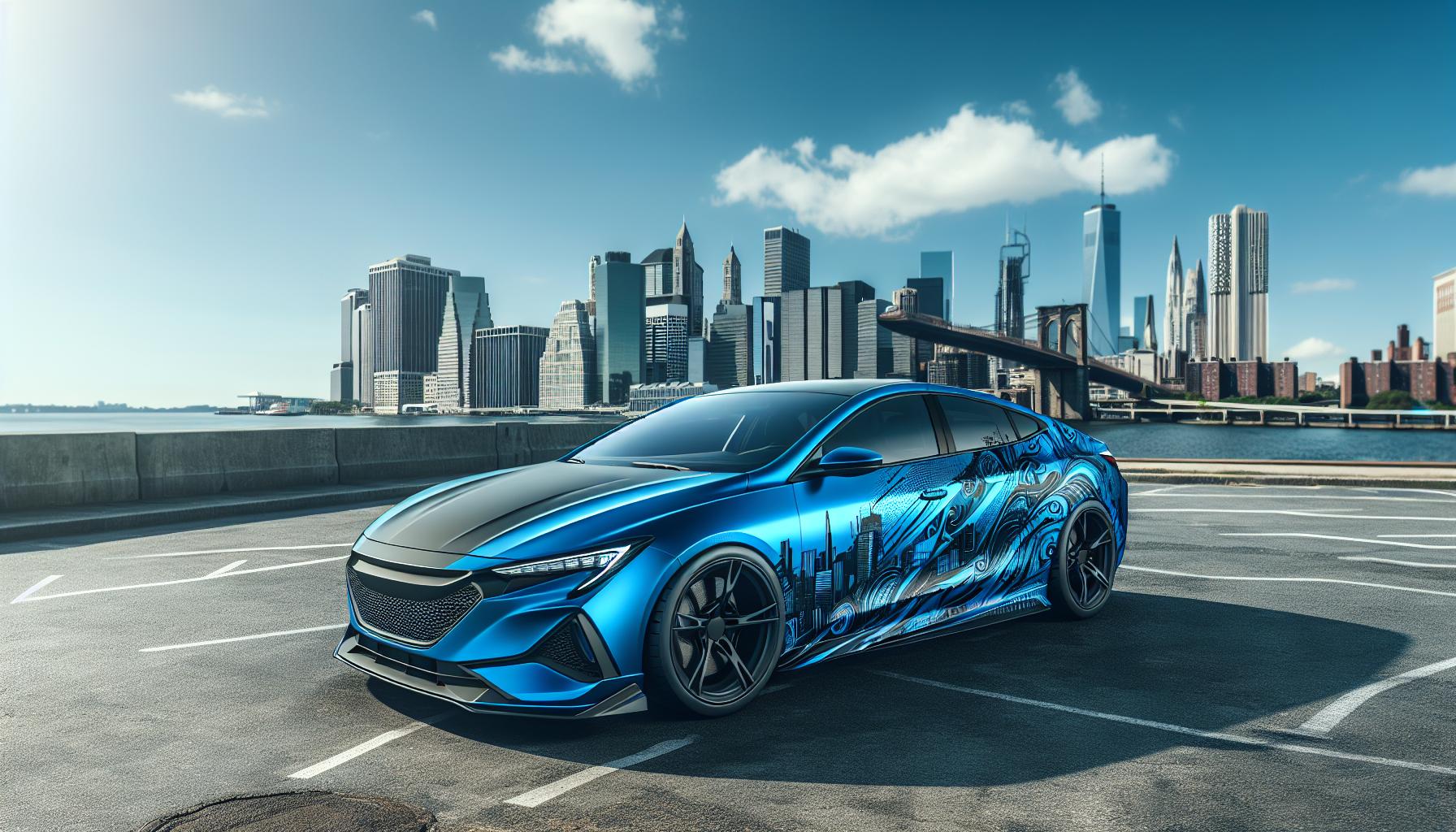
Getting a car wrap can transform your vehicle’s appearance from ordinary to extraordinary. We’ve seen countless vehicles undergo stunning makeovers with this innovative automotive styling solution that’s become increasingly popular among car enthusiasts and businesses alike.
Unlike traditional paint jobs car wraps offer a versatile and cost-effective way to change your vehicle’s look. The process involves applying high-quality vinyl material over your car’s existing paint creating a protective layer while delivering a custom appearance. We’re excited to explore how this modern approach to vehicle customization has revolutionized the automotive industry and why it might be the perfect choice for your next vehicle upgrade.
What Is a Car Wrap and How Does It Work
A car wrap consists of large vinyl sheets applied directly to a vehicle’s exterior surface. The process involves covering the original paint with adhesive-backed vinyl material to create a new appearance or protect the factory finish.
Types of Car Wrap Materials
Vehicle wraps come in several material varieties:
- Cast Vinyl: Premium-grade material with 5-7 year durability featuring superior conformability around curves
- Calendered Vinyl: Mid-grade option lasting 3-5 years with moderate flexibility for flat surfaces
- Carbon Fiber: Textured vinyl creating a woven carbon appearance
- Chrome: Metallic finish vinyl providing a reflective surface
- Matte: Non-reflective finish for a subtle appearance
- Color Shift: Specialized vinyl displaying different colors at varying angles
Professional vs DIY Installation
Professional vehicle wrap installation includes:
- Surface preparation with specialized cleaning solutions
- Precise measurements ensuring proper material coverage
- Heat application techniques for bubble-free adhesion
- Professional-grade tools like squeegees infrared thermometers
- Post-installation quality checks ensuring durability
DIY installation limitations:
- Restricted access to commercial-grade materials
- Limited workspace environment control
- Basic tool availability affecting application quality
- Increased risk of material waste through errors
- Reduced warranty coverage compared to professional installs
Benefits of Vehicle Wrapping

Vehicle wraps transform automobiles while delivering practical advantages that extend beyond aesthetics. These benefits make car wraps an attractive investment for both personal vehicle owners and businesses.
Paint Protection
Vehicle wraps create a protective barrier that shields the original paint from environmental hazards. The vinyl material guards against UV rays, rock chips, minor scratches, bird droppings acid rain. When removed, the factory paint remains in pristine condition underneath the wrap, preserving the vehicle’s original finish.
Customization Options
Car wraps offer extensive design flexibility with unlimited color choices textures patterns. The customization possibilities include:
- Full-color digital prints for detailed graphics logos
- Matte metallic chrome finishes
- Color-shifting wraps that change appearance based on viewing angle
- Textured wraps mimicking carbon fiber brushed metal
- Partial wraps for accent elements roof hoods mirrors
- Protection of original factory paint from wear deterioration
- Removability without damage to underlying surfaces
- Appeal to future buyers with preserved original finish
- Option to restore vehicle to original appearance for sale
- Documentation of paint protection for potential buyers
The Car Wrap Installation Process

The car wrap installation process requires meticulous attention to detail to achieve a flawless finish. Professional installers follow specific steps for proper surface preparation and application to ensure optimal results.
Surface Preparation
Professional vehicle wrap installation begins with thorough surface cleaning to remove contaminants like wax, oil residue and road grime. The preparation process includes:
- Washing the vehicle’s exterior with specialized automotive soap
- Degreasing all surfaces using isopropyl alcohol solutions
- Removing exterior components such as emblems, moldings or door handles
- Repairing paint imperfections, chips or scratches
- Clay barring the surface to eliminate embedded contaminants
- Conducting final wipe-down with surface prep solutions
Application Techniques
The vehicle wrap application requires precise techniques to prevent bubbles, wrinkles or lifting edges. Key application steps include:
- Temperature control of the workspace between 68-78°F
- Positioning large vinyl panels with proper overlap
- Using squeegees with felt edges to smooth the material
- Applying heat at specific temperatures for conforming around curves
- Trimming excess material with precision cutting tools
- Post-heating all edges and recessed areas to 200°F
- Reinstalling removed components over the wrapped surfaces
| Stage | Temperature | Duration |
|---|---|---|
| Initial Heat | 115-125°F | 30-60 seconds |
| Conforming Heat | 160-180°F | 15-20 seconds |
| Post Heat | 200-220°F | 10-15 seconds |
Average Costs of Car Wraps
Car wrap pricing varies based on vehicle size materials quality. Here’s a detailed breakdown of costs for different wrap options and their associated maintenance expenses.
Full vs Partial Wrap Pricing
A full vehicle wrap ranges from $2,500 to $6,000 for standard-sized vehicles. Custom designs metallic finishes add $500 to $2,500 to the base cost. Partial wraps cost between $500 to $2,000 depending on coverage area:
| Wrap Type | Price Range | Coverage Area |
|---|---|---|
| Full Wrap | $2,500-$6,000 | 100% vehicle surface |
| Partial Wrap | $1,500-$2,000 | 50-75% coverage |
| Half Wrap | $750-$1,500 | 25-50% coverage |
| Quarter Wrap | $500-$750 | Up to 25% coverage |
- Professional cleaning services: $50-$100 per session
- Protective coating application: $200-$400 annually
- UV protection treatments: $150-$300 every 6 months
- Touch-up repairs: $100-$300 per panel
| Maintenance Item | Frequency | Cost |
|---|---|---|
| Basic Cleaning | Monthly | $30-$50 |
| Deep Clean | Quarterly | $75-$150 |
| Ceramic Coating | Annually | $200-$400 |
| Minor Repairs | As needed | $100-$300 |
How Long Do Car Wraps Last
A professionally installed car wrap maintains its appearance for 5-7 years with proper care. The longevity depends on several environmental factors material quality.
Factors Affecting Durability
- Sun Exposure: Direct sunlight degrades vinyl wraps through UV radiation effects
- Environmental Conditions: Extreme temperatures acid rain salt exposure accelerate material breakdown
- Installation Quality: Professional vehicle wrap installation increases longevity through proper surface preparation adhesive techniques
- Maintenance Routine: Regular cleaning with pH-neutral products preserves wrap integrity
- Material Grade: Premium cast vinyl wraps last longer than calendered options
- Storage Conditions: Indoor parking protects wraps from weather elements paint oxidation
- Usage Patterns: Frequent highway driving increases risk of rock chips debris damage
- Color Fading: Noticeable dulling or discoloration especially in high-sun areas
- Peeling Edges: Lifting around corners bumpers trim pieces
- Surface Bubbles: Air pockets that develop between vinyl vehicle surface
- Material Cracking: Visible splits tears in the wrap material
- Adhesive Failure: Areas where vinyl no longer adheres to vehicle surface
- Yellowing: Discoloration of light-colored wraps particularly white finishes
- Physical Damage: Deep scratches rips that expose original paint
The content focuses on specific, measurable indicators of wrap condition while maintaining a professional tone throughout. Each point provides clear, actionable information without unnecessary elaboration.
Common Problems and Solutions

Vehicle wraps face several common issues that affect their appearance and longevity. These problems often emerge due to environmental factors installation errors or inadequate maintenance.
Bubbling and Peeling
Car wrap bubbling occurs when air pockets form between the vinyl and vehicle surface. Here’s how to address these issues:
- Apply heat (180-200°F) with a heat gun to soften the vinyl
- Press firmly with a squeegee to remove trapped air
- Pierce tiny holes in stubborn bubbles using a micro-needle
- Reseal edges with edge sealer when peeling starts
- Clean the surface thoroughly before reapplying loose sections
Color Fading
Color fading in vehicle wraps happens due to UV exposure environmental pollutants. Here are effective solutions:
- Park in covered areas or use car covers when possible
- Apply UV-protective ceramic coating
- Wash wrapped surfaces every 2 weeks
- Use pH-neutral car wash solutions
- Schedule professional cleaning every 3 months
- Replace severely faded panels instead of attempting restoration
| Area | Signs to Watch | Time to Action |
|---|---|---|
| Hood | Dulling of finish | 3-6 months |
| Roof | Loss of gloss | 2-4 months |
| Sides | Uneven coloration | 4-8 months |
Conclusion
Car wraps have revolutionized the way we think about vehicle customization. We’ve seen how this innovative solution offers an exceptional blend of protection and personalization while maintaining cost-effectiveness compared to traditional paint jobs.
Whether you’re looking to transform your vehicle’s appearance or safeguard its original finish a professional car wrap installation delivers outstanding results. We believe that with proper maintenance and care your wrap can provide years of head-turning aesthetics while preserving your vehicle’s resale value.
Ready to give your vehicle a fresh new look? Consider a car wrap as your next automotive upgrade. It’s an investment that combines style protection and versatility in one remarkable package.