
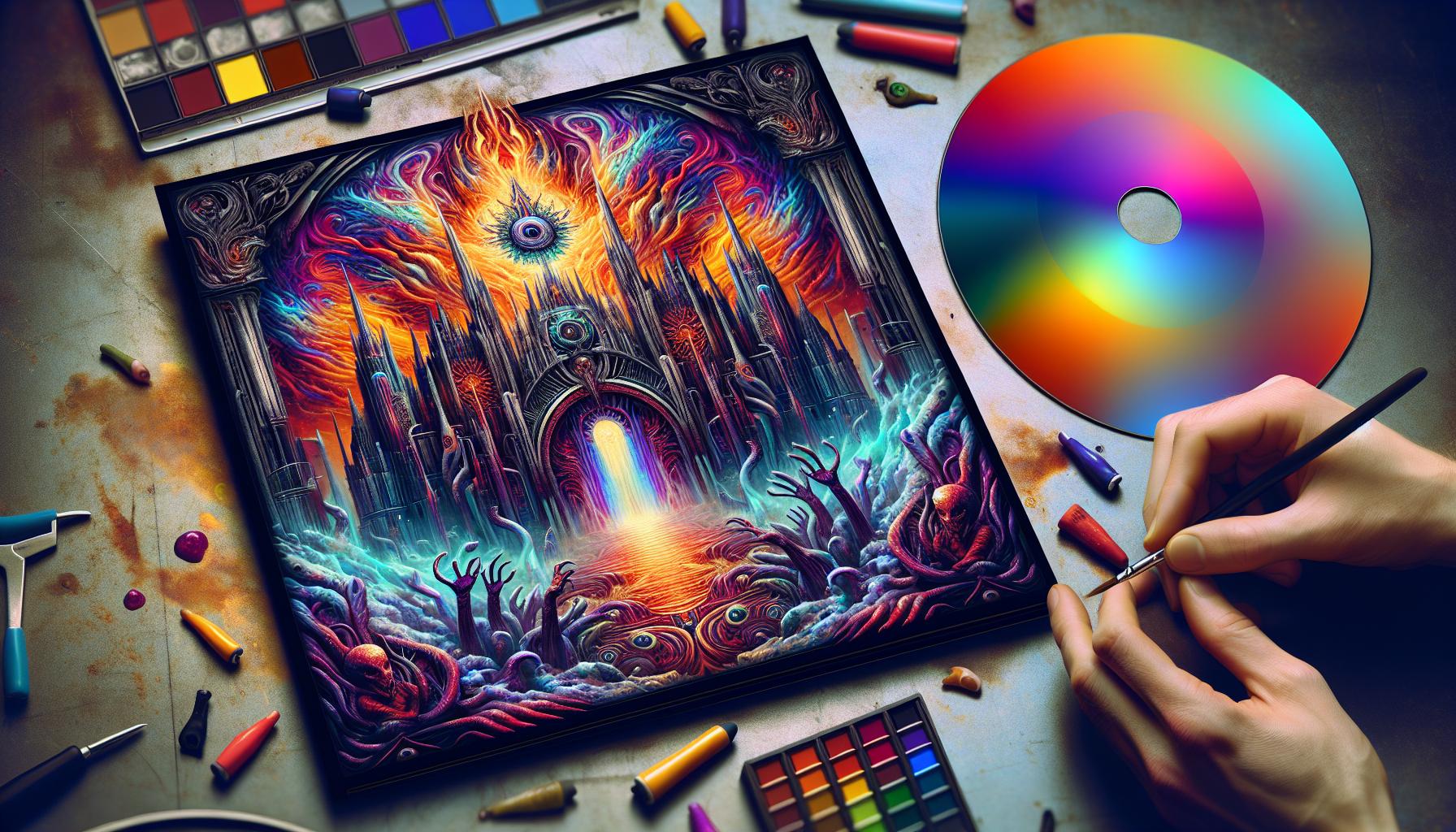
When you think of metal music there’s more than just the aggressive riffs and thundering drums that catch your attention. The artwork adorning album covers has become an integral part of the metal experience crafting visual stories that amplify the music’s raw power.
From Eddie the Head on Iron Maiden’s albums to the intricate demonic illustrations of death metal bands metal cover art has evolved into its own artistic movement. These striking visuals don’t just serve as packaging – they’re powerful statements that reflect the genre’s rebellious spirit and dark themes while giving fans a deeper connection to the music they love. Whether you’re a longtime metalhead or just getting into the scene you’ll notice how these iconic images have shaped metal’s identity and continue to push creative boundaries.
The Evolution of Metal Album Cover Art
Metal album artwork transformed from simple band photos to complex artistic statements that define the genre’s visual identity throughout five distinct decades.
Early Pioneers of Metal Artwork
Metal cover art emerged in the late 1960s with bands like Black Sabbath creating dark, haunting visuals. Their self-titled debut album (1970) featured a mysterious woman in black standing before a derelict building, establishing the gothic aesthetic. Blue Cheer’s “Vincebus Eruptum” (1968) introduced distorted photography techniques, while Led Zeppelin’s iconic artwork for “Led Zeppelin I” (1969) showcased the burning Hindenburg disaster photo, marking a shift toward provocative imagery.
The Rise of Hand-Drawn Illustrations
Hand-drawn illustrations dominated metal artwork in the 1970s through distinctive artistic styles. Roger Dean’s fantastical landscapes for bands like Yes influenced metal artists to create elaborate fantasy worlds. Derek Riggs introduced Iron Maiden’s mascot Eddie in 1980, pioneering the concept of recurring characters in metal artwork. Artists like Ed Repka crafted detailed illustrations for Megadeth thrash metal covers, emphasizing intricate line work, vibrant colors, and aggressive themes. Joe Petagno’s artwork for Motörhead’s “Orgasmatron” (1986) demonstrated the evolution from simple band logos to complex, narrative-driven compositions.
- Derek Riggs (Iron Maiden): Created the iconic Eddie character
- Ed Repka (Megadeth, Death): Developed detailed sci-fi horror aesthetics
- Joe Petagno (Motörhead): Established the war-themed aggressive style
- Pushead (Metallica): Introduced distinctive skull-based artwork
- Dan Seagrave (Morbid Angel): Pioneered architectural death metal visuals
Iconic Metal Cover Artists and Their Styles

Metal album artwork combines distinctive artistic styles with dark themes to create unforgettable visual identities for bands. Leading artists developed signature approaches that define specific metal subgenres.
Ed Repka’s Legacy in Thrash Metal
Ed Repka shaped thrash metal’s visual identity through his bold comic book style illustrations for bands like Megadeth Death Nuclear Assault. His artwork features vivid colors saturated greens oranges with sharp angular compositions showcasing dystopian worlds robotic creatures political commentary. Repka’s most recognizable covers include Megadeth’s “Peace Sells… But Who’s Buying?” featuring mascot Vic Rattlehead standing amid nuclear destruction.
| Notable Ed Repka Covers | Year | Band |
|---|---|---|
| Peace Sells… But Who’s Buying? | 1986 | Megadeth |
| Persecution Mania | 1987 | Sodom |
| Handle with Care | 1989 | Nuclear Assault |
| Eternal Nightmare | 1988 | Vio-lence |
Dan Seagrave’s Death Metal Aesthetics
- Morbid Angel’s “Altars of Madness” with its twisted dimensional gates
- Suffocation’s “Effigy of the Forgotten” displaying biomechanical architecture
- Entombed’s “Left Hand Path” featuring labyrinthine cosmic structures
- Dismember’s “Like an Ever Flowing Stream” showing crystalline alien formations
| Signature Elements of Seagrave’s Style |
|---|
| Impossible architecture |
| Organic-mechanical fusion |
| Multilayered perspectives |
| Textural detail work |
Common Themes and Symbolism

Metal album covers incorporate distinct visual elements that convey profound messages through powerful imagery. These artworks establish an immediate connection between the music’s themes and its visual representation.
Occult and Supernatural Elements
Occult symbolism dominates metal cover art through pentagrams, demonic figures and mystical runes. Artists like Ken Kelly created iconic supernatural scenes for KISS’s “Destroyer” featuring otherworldly beings amid apocalyptic backdrops. Bands such as Ghost embrace religious imagery with inverted crosses and papal figures while Celtic Frost’s albums showcase occult sigils and ancient mystical symbols. The incorporation of these elements reflects metal’s exploration of spirituality, power and the unknown.
Gore and Horror Imagery
Death metal and grindcore covers frequently feature graphic depictions of violence, decay and anatomical horror. Dan Seagrave’s artwork for Morbid Angel displays grotesque creatures emerging from dimensional portals. Albums like Cannibal Corpse’s “Butchered at Birth” push boundaries with explicit gore rendered in vivid detail. Horror film aesthetics influence many covers through:
- Distorted human forms
- Rotting flesh textures
- Surgical imagery
- Blood splatter effects
- Zombified figures
| Element Type | Common Visual Motifs | Notable Examples |
|---|---|---|
| Occult | Pentagrams, demons, rituals | Ghost – “Opus Eponymous” |
| Gore | Dismemberment, viscera, decay | Cannibal Corpse – “Tomb of the Mutilated” |
| Horror | Monsters, dark atmospheres | Morbid Angel – “Altars of Madness” |
These visual themes create an immediate visceral impact while reflecting the extreme nature of the musical content. The artwork serves as both a warning and invitation to potential listeners about the intensity they’ll encounter.
Digital Art’s Impact on Modern Metal Covers
Digital technology transforms metal cover art creation through advanced software tools software offering unprecedented creative possibilities. This shift marks a new era in metal’s visual identity while maintaining its distinctive aesthetic.
3D Rendering and Photo Manipulation
3D rendering software revolutionizes metal cover art by enabling artists to create hyper-realistic scenes with intricate details. Programs like Cinema 4D Z-Brush generate complex mechanical structures biomechanical entities dimensional landscapes for bands like Meshuggah Fear Factory. Photo manipulation tools like Adobe Photoshop allow artists to blend multiple elements create surreal compositions enhance existing artwork as seen in covers by:
- Dimmu Borgir: “Abrahadabra” showcases layered digital effects atmospheric depth
- Periphery: “Periphery IV: Hail Stan” features intricate 3D-rendered geometric patterns
- Born of Osiris: “Tomorrow We Die Alive” combines 3D architecture organic elements
- Feared: “Synder” demonstrates photorealistic digital sculpture manipulation
| Software Type | Common Applications in Metal Cover Art |
|---|---|
| 3D Rendering | Biomechanical structures, abstract landscapes, creature design |
| Photo Manipulation | Texture overlays, color grading, compositional blending |
| Digital Painting | Custom brushwork, atmospheric effects, detailed illustrations |
Artists leverage these digital tools to:
- Create impossible geometries spatial dimensions
- Generate precise mechanical details organic textures
- Produce consistent brand aesthetics across album cycles
- Experiment with new visual concepts technical innovations
The digital approach maintains metal’s dark aesthetic while pushing technical boundaries expanding artistic possibilities. Modern metal covers blend traditional elements with cutting-edge digital techniques creating distinctive visual experiences that complement contemporary metal’s production values sound design.
Notable Metal Album Covers That Changed the Genre
Black Sabbath – Black Sabbath (1970)
The debut album’s haunting cover features a mysterious woman in black standing before Mapledurham Watermill. This gothic imagery established the visual foundation for metal’s dark aesthetic with its eerie green tint creating an unsettling atmosphere that influenced countless future metal releases.
Iron Maiden – The Number of the Beast (1982)
Derek Riggs’ portrayal of Eddie the Head controlling Satan like a puppet master revolutionized metal mascots. The cover’s vibrant colors mixed with demonic imagery created a template for combining horror elements with dynamic artistic composition.
Megadeth – Peace Sells… But Who’s Buying? (1986)
Ed Repka’s illustration of Vic Rattlehead standing before a destroyed United Nations building became a defining political statement in metal. The cover’s mix of nuclear apocalypse themes with satirical commentary influenced the visual direction of thrash metal.
Morbid Angel – Altars of Madness (1989)
Dan Seagrave’s intricate cover design introduced a new level of detail to death metal artwork. The surreal architecture merged with organic forms established the template for death metal’s visual complexity in the 1990s.
Cannibal Corpse – Tomb of the Mutilated (1992)
Vincent Locke’s graphic artwork pushed boundaries with its extreme gore imagery. The controversial cover sparked debates about censorship in metal art while setting new standards for shock value in death metal visuals.
Tool – Ænima (1996)
The lenticular cover design by Cam de Leon featuring moving optical illusions broke new ground in packaging innovation. This marriage of abstract art with interactive elements influenced progressive metal’s approach to album presentation.
| Album | Year | Artist | Innovation |
|---|---|---|---|
| Black Sabbath | 1970 | Keith MacMillan | Gothic horror aesthetic |
| Number of the Beast | 1982 | Derek Riggs | Mascot-driven artwork |
| Peace Sells | 1986 | Ed Repka | Political commentary |
| Altars of Madness | 1989 | Dan Seagrave | Architectural surrealism |
| Tomb of the Mutilated | 1992 | Vincent Locke | Extreme horror imagery |
| Ænima | 1996 | Cam de Leon | Interactive design |
How Cover Art Influences Band Identity

Metal cover art creates an immediate visual representation of a band’s musical identity. The artwork serves as a band’s first impression on potential listeners, establishing their aesthetic style, thematic focus, and artistic vision.
Visual Branding Elements
Metal bands use specific visual elements to create recognizable brand identities:
- Consistent color schemes like Slayer’s red and black palette across multiple albums
- Recurring mascots such as Iron Maiden’s Eddie appearing in different scenarios
- Distinctive logo styles like Metallica’s angular lightning-bolt font
- Signature artistic techniques like Dark Throne’s high-contrast black and white designs
- Thematic continuity through related imagery across album series
Recognition and Fan Connection
Album artwork strengthens the connection between bands and their audience:
- Instantly recognizable mascots become merchandise centerpieces
- Iconic symbols transform into tattoos fans proudly display
- Distinctive art styles help fans identify new releases at a glance
- Visual elements create unified concert backdrops enhancing live experiences
- Collector’s editions feature expanded artwork fostering deeper fan engagement
Genre Association
Cover art helps position bands within specific metal subgenres:
| Subgenre | Common Visual Elements | Example Band & Album |
|---|---|---|
| Death Metal | Gore imagery organic textures | Cannibal Corpse “Butchered at Birth” |
| Black Metal | Monochromatic forest scenes | Darkthrone “Transilvanian Hunger” |
| Power Metal | Fantasy landscapes bright colors | Blind Guardian “Somewhere Far Beyond” |
| Doom Metal | Abstract mystical symbolism | Electric Wizard “Dopethrone” |
Evolution of Identity
- Experimental artwork signals musical progression
- Style changes reflect shifts in creative direction
- Modernized versions of classic elements show growth
- Collaborative choices with different artists bring fresh perspectives
- Anniversary editions reimagine iconic covers celebrating band history
Conclusion
Metal album artwork stands as more than just packaging for your music – it’s a vital piece of the genre’s DNA. These striking visuals have shaped how you experience metal and helped define its various subgenres over five decades.
From hand-drawn illustrations to modern digital masterpieces metal cover art continues to push creative boundaries. The work of legendary artists like Ed Repka and Dan Seagrave has given you unforgettable images that perfectly capture metal’s raw power and intensity.
Whether you’re drawn to occult symbols dark fantasy or gore-filled horror these artworks serve as powerful gateways into the music they represent. They’re not just pictures – they’re your first glimpse into the sonic journey that awaits.
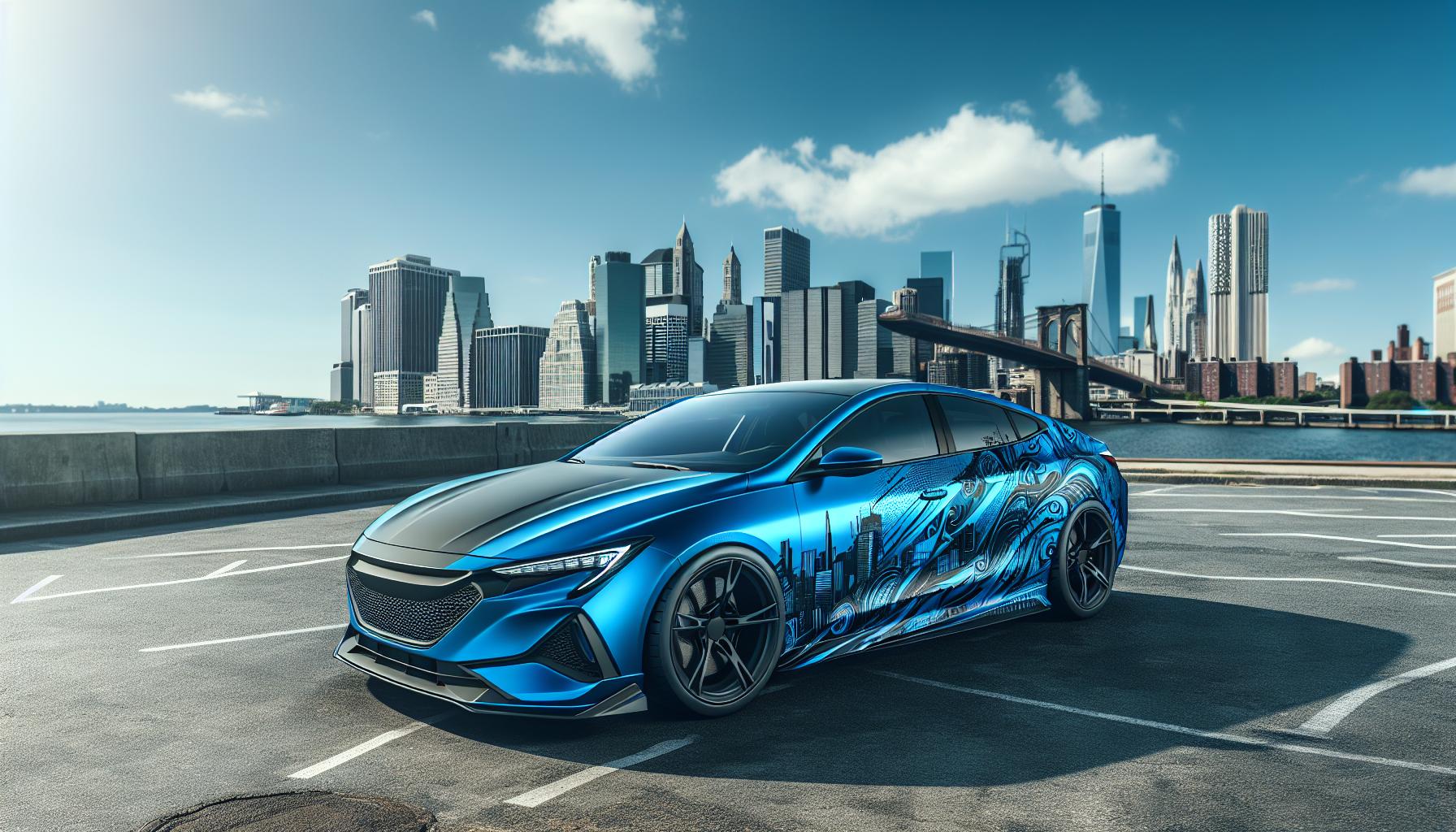


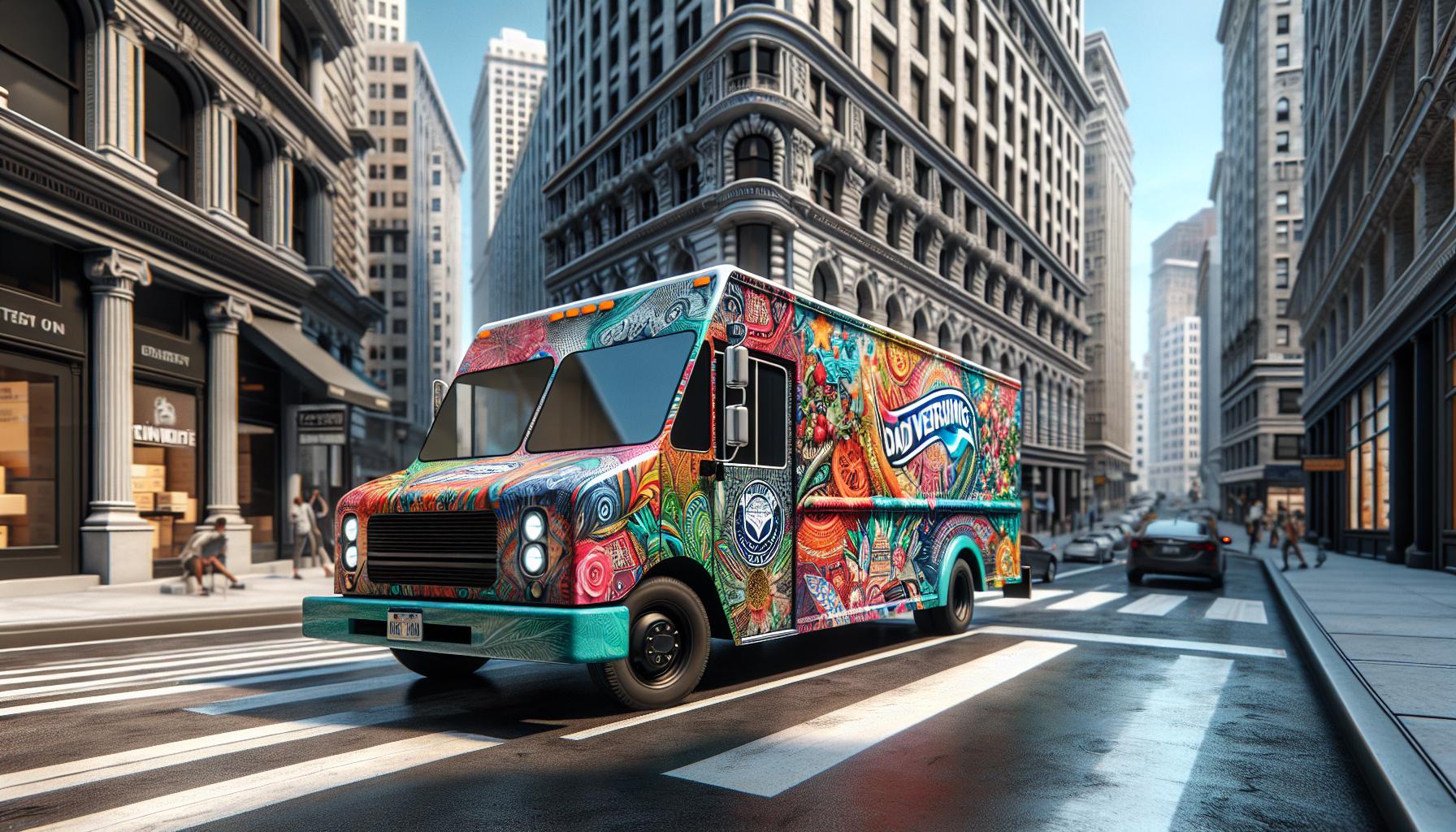


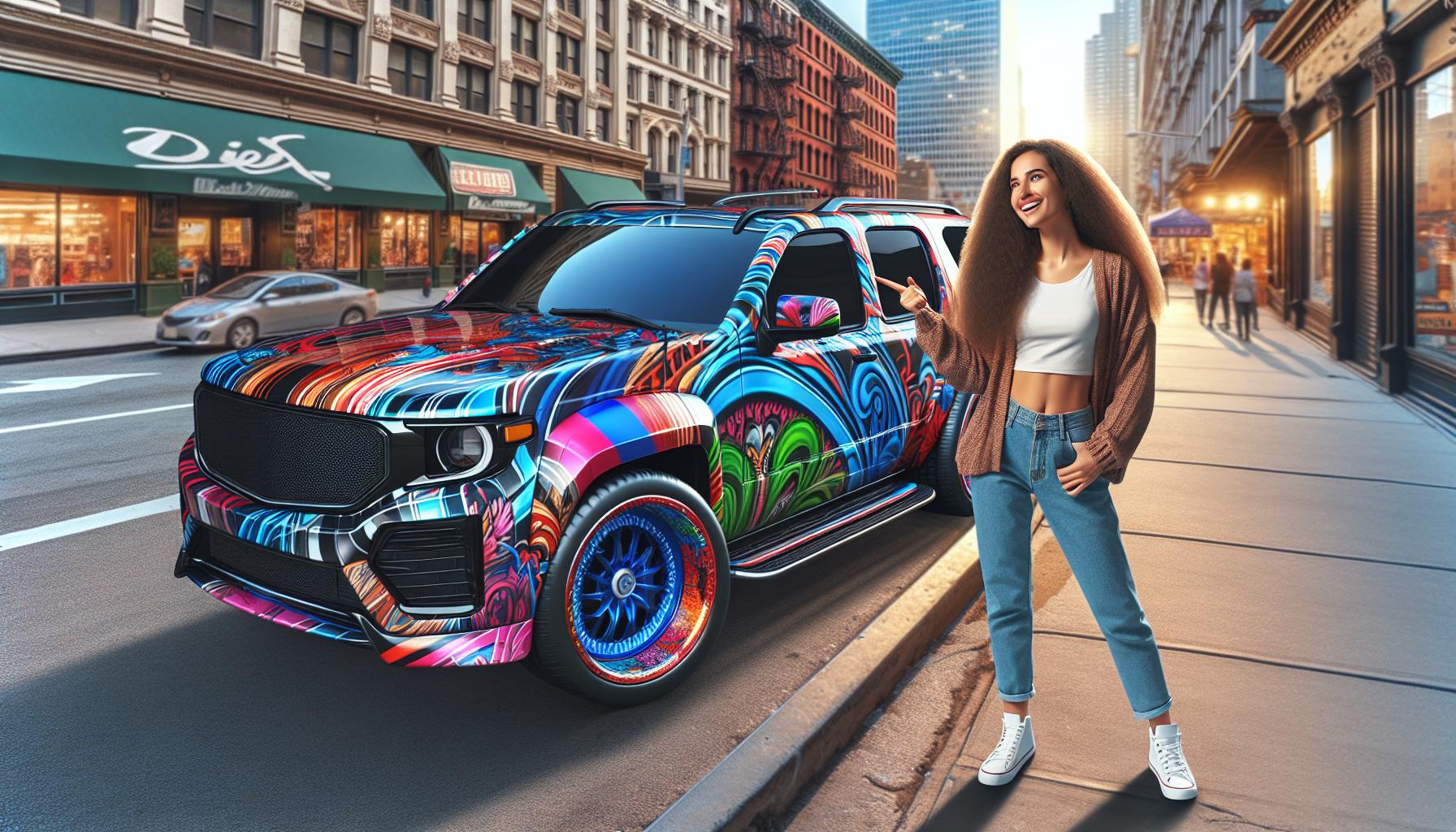



 Vehicle wraps do more than just customizing your cars. They can also be a quick and cost-effective way to advertise your business. They are not only for large companies. Small business owners can also benefit from them as they put you on the same playing field as franchises and companies with vehicle fleets. Digitally printed, they are professionally installed like a mobile billboard to reach a wider audience. You should choose the right Vehicle template for your car here: