Car Wrap Guide: Transform Your Vehicle’s Look – Complete Cost & Installation Tips 2024

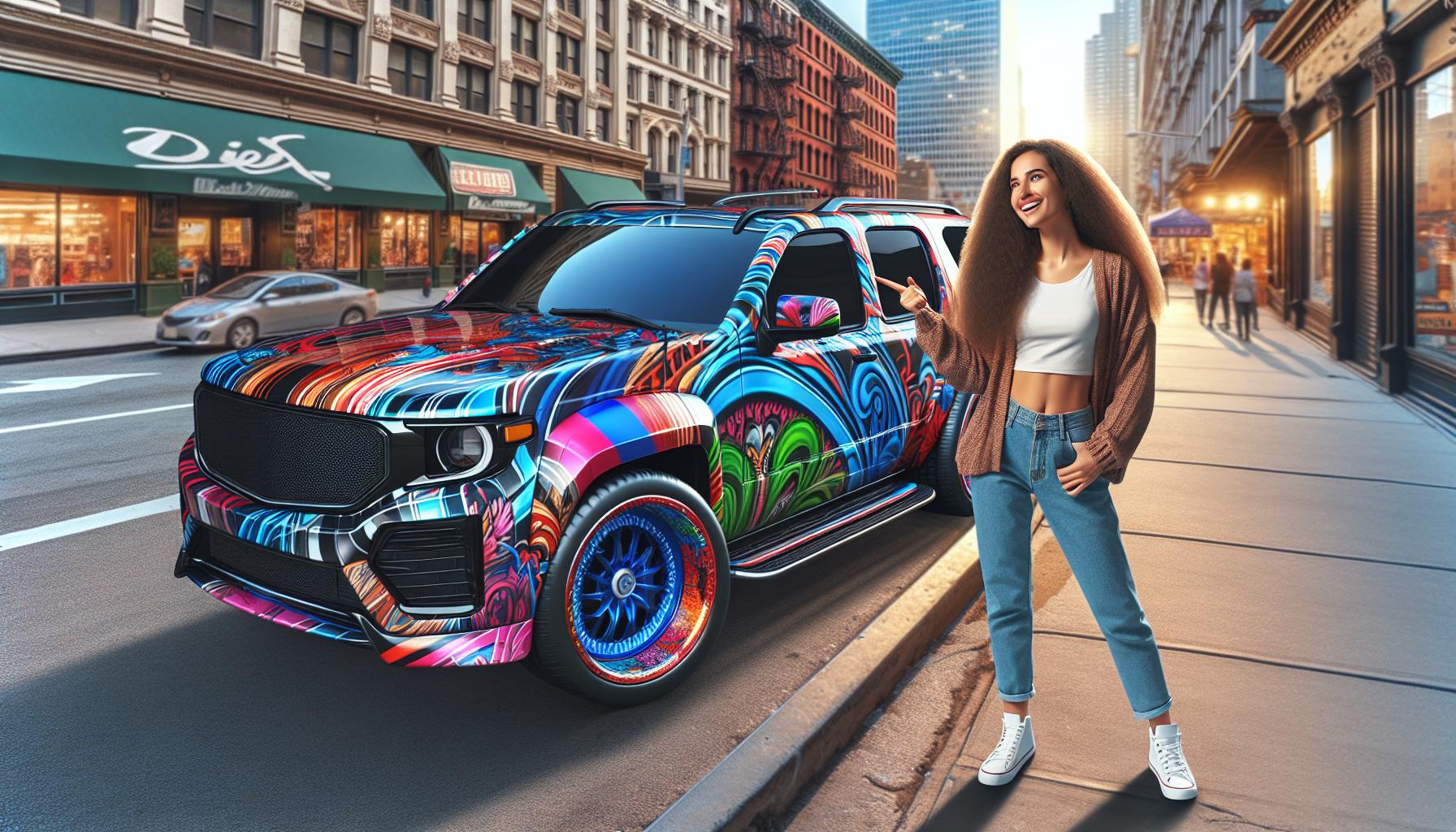
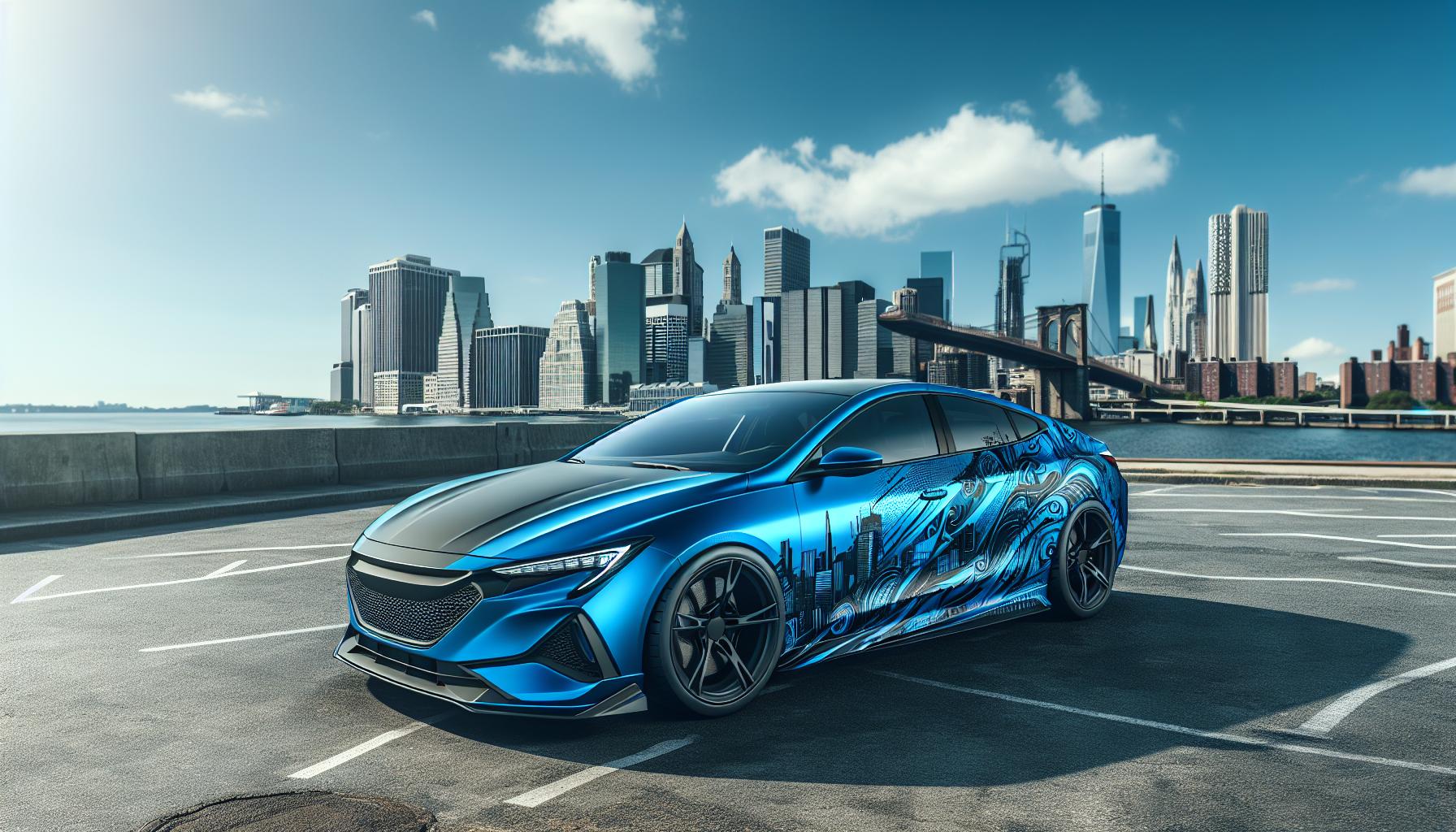
Getting a car wrap can transform your vehicle’s appearance from ordinary to extraordinary. We’ve seen countless vehicles undergo stunning makeovers with this innovative automotive styling solution that’s become increasingly popular among car enthusiasts and businesses alike.

Unlike traditional paint jobs car wraps offer a versatile and cost-effective way to change your vehicle’s look. The process involves applying high-quality vinyl material over your car’s existing paint creating a protective layer while delivering a custom appearance. We’re excited to explore how this modern approach to vehicle customization has revolutionized the automotive industry and why it might be the perfect choice for your next vehicle upgrade.

What Is a Car Wrap and How Does It Work

A car wrap consists of large vinyl sheets applied directly to a vehicle’s exterior surface. The process involves covering the original paint with adhesive-backed vinyl material to create a new appearance or protect the factory finish.

Types of Car Wrap Materials

Vehicle wraps come in several material varieties:

  • Cast Vinyl: Premium-grade material with 5-7 year durability featuring superior conformability around curves
  • Calendered Vinyl: Mid-grade option lasting 3-5 years with moderate flexibility for flat surfaces
  • Carbon Fiber: Textured vinyl creating a woven carbon appearance
  • Chrome: Metallic finish vinyl providing a reflective surface
  • Matte: Non-reflective finish for a subtle appearance
  • Color Shift: Specialized vinyl displaying different colors at varying angles

Professional vs DIY Installation

Professional vehicle wrap installation includes:

  • Surface preparation with specialized cleaning solutions
  • Precise measurements ensuring proper material coverage
  • Heat application techniques for bubble-free adhesion
  • Professional-grade tools like squeegees infrared thermometers
  • Post-installation quality checks ensuring durability

DIY installation limitations:

  • Restricted access to commercial-grade materials
  • Limited workspace environment control
  • Basic tool availability affecting application quality
  • Increased risk of material waste through errors
  • Reduced warranty coverage compared to professional installs

Benefits of Vehicle Wrapping

Vehicle wraps transform automobiles while delivering practical advantages that extend beyond aesthetics. These benefits make car wraps an attractive investment for both personal vehicle owners and businesses.

Paint Protection

Vehicle wraps create a protective barrier that shields the original paint from environmental hazards. The vinyl material guards against UV rays, rock chips, minor scratches, bird droppings acid rain. When removed, the factory paint remains in pristine condition underneath the wrap, preserving the vehicle’s original finish.

Customization Options

Car wraps offer extensive design flexibility with unlimited color choices textures patterns. The customization possibilities include:

  • Full-color digital prints for detailed graphics logos
  • Matte metallic chrome finishes
  • Color-shifting wraps that change appearance based on viewing angle
  • Textured wraps mimicking carbon fiber brushed metal
  • Partial wraps for accent elements roof hoods mirrors
  • Protection of original factory paint from wear deterioration
  • Removability without damage to underlying surfaces
  • Appeal to future buyers with preserved original finish
  • Option to restore vehicle to original appearance for sale
  • Documentation of paint protection for potential buyers

The Car Wrap Installation Process

The car wrap installation process requires meticulous attention to detail to achieve a flawless finish. Professional installers follow specific steps for proper surface preparation and application to ensure optimal results.

Surface Preparation

Professional vehicle wrap installation begins with thorough surface cleaning to remove contaminants like wax, oil residue and road grime. The preparation process includes:

  • Washing the vehicle’s exterior with specialized automotive soap
  • Degreasing all surfaces using isopropyl alcohol solutions
  • Removing exterior components such as emblems, moldings or door handles
  • Repairing paint imperfections, chips or scratches
  • Clay barring the surface to eliminate embedded contaminants
  • Conducting final wipe-down with surface prep solutions

Application Techniques

The vehicle wrap application requires precise techniques to prevent bubbles, wrinkles or lifting edges. Key application steps include:

  • Temperature control of the workspace between 68-78°F
  • Positioning large vinyl panels with proper overlap
  • Using squeegees with felt edges to smooth the material
  • Applying heat at specific temperatures for conforming around curves
  • Trimming excess material with precision cutting tools
  • Post-heating all edges and recessed areas to 200°F
  • Reinstalling removed components over the wrapped surfaces
Stage Temperature Duration
Initial Heat 115-125°F 30-60 seconds
Conforming Heat 160-180°F 15-20 seconds
Post Heat 200-220°F 10-15 seconds

Average Costs of Car Wraps

Car wrap pricing varies based on vehicle size materials quality. Here’s a detailed breakdown of costs for different wrap options and their associated maintenance expenses.

Full vs Partial Wrap Pricing

A full vehicle wrap ranges from $2,500 to $6,000 for standard-sized vehicles. Custom designs metallic finishes add $500 to $2,500 to the base cost. Partial wraps cost between $500 to $2,000 depending on coverage area:

Wrap Type Price Range Coverage Area
Full Wrap $2,500-$6,000 100% vehicle surface
Partial Wrap $1,500-$2,000 50-75% coverage
Half Wrap $750-$1,500 25-50% coverage
Quarter Wrap $500-$750 Up to 25% coverage
  • Professional cleaning services: $50-$100 per session
  • Protective coating application: $200-$400 annually
  • UV protection treatments: $150-$300 every 6 months
  • Touch-up repairs: $100-$300 per panel
Maintenance Item Frequency Cost
Basic Cleaning Monthly $30-$50
Deep Clean Quarterly $75-$150
Ceramic Coating Annually $200-$400
Minor Repairs As needed $100-$300

How Long Do Car Wraps Last

A professionally installed car wrap maintains its appearance for 5-7 years with proper care. The longevity depends on several environmental factors material quality.

Factors Affecting Durability

  • Sun Exposure: Direct sunlight degrades vinyl wraps through UV radiation effects
  • Environmental Conditions: Extreme temperatures acid rain salt exposure accelerate material breakdown
  • Installation Quality: Professional vehicle wrap installation increases longevity through proper surface preparation adhesive techniques
  • Maintenance Routine: Regular cleaning with pH-neutral products preserves wrap integrity
  • Material Grade: Premium cast vinyl wraps last longer than calendered options
  • Storage Conditions: Indoor parking protects wraps from weather elements paint oxidation
  • Usage Patterns: Frequent highway driving increases risk of rock chips debris damage
  • Color Fading: Noticeable dulling or discoloration especially in high-sun areas
  • Peeling Edges: Lifting around corners bumpers trim pieces
  • Surface Bubbles: Air pockets that develop between vinyl vehicle surface
  • Material Cracking: Visible splits tears in the wrap material
  • Adhesive Failure: Areas where vinyl no longer adheres to vehicle surface
  • Yellowing: Discoloration of light-colored wraps particularly white finishes
  • Physical Damage: Deep scratches rips that expose original paint

The content focuses on specific, measurable indicators of wrap condition while maintaining a professional tone throughout. Each point provides clear, actionable information without unnecessary elaboration.

Common Problems and Solutions

Vehicle wraps face several common issues that affect their appearance and longevity. These problems often emerge due to environmental factors installation errors or inadequate maintenance.

Bubbling and Peeling

Car wrap bubbling occurs when air pockets form between the vinyl and vehicle surface. Here’s how to address these issues:

  • Apply heat (180-200°F) with a heat gun to soften the vinyl
  • Press firmly with a squeegee to remove trapped air
  • Pierce tiny holes in stubborn bubbles using a micro-needle
  • Reseal edges with edge sealer when peeling starts
  • Clean the surface thoroughly before reapplying loose sections

Color Fading

Color fading in vehicle wraps happens due to UV exposure environmental pollutants. Here are effective solutions:

  • Park in covered areas or use car covers when possible
  • Apply UV-protective ceramic coating
  • Wash wrapped surfaces every 2 weeks
  • Use pH-neutral car wash solutions
  • Schedule professional cleaning every 3 months
  • Replace severely faded panels instead of attempting restoration
Area Signs to Watch Time to Action
Hood Dulling of finish 3-6 months
Roof Loss of gloss 2-4 months
Sides Uneven coloration 4-8 months

Conclusion

Car wraps have revolutionized the way we think about vehicle customization. We’ve seen how this innovative solution offers an exceptional blend of protection and personalization while maintaining cost-effectiveness compared to traditional paint jobs.

Whether you’re looking to transform your vehicle’s appearance or safeguard its original finish a professional car wrap installation delivers outstanding results. We believe that with proper maintenance and care your wrap can provide years of head-turning aesthetics while preserving your vehicle’s resale value.

Ready to give your vehicle a fresh new look? Consider a car wrap as your next automotive upgrade. It’s an investment that combines style protection and versatility in one remarkable package.
 

Vehicle Wraps: Transform Your Fleet into Powerful Mobile Billboards | Ultimate Guide 2024

In today’s competitive business landscape, we’ve witnessed a remarkable shift in how companies approach mobile advertising. Vehicle wraps have emerged as one of the most cost-effective and impactful marketing solutions available to businesses of all sizes.

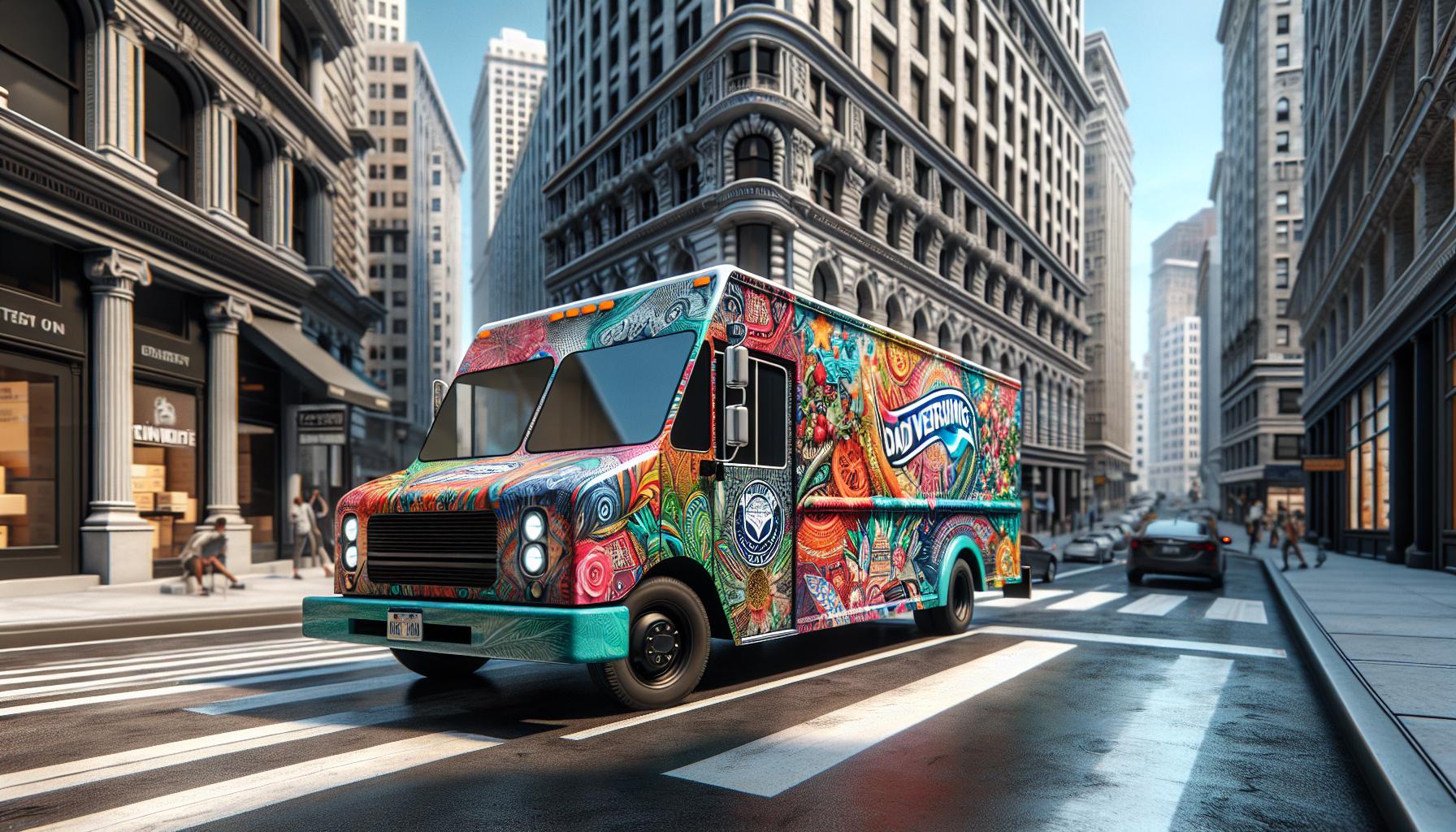
We understand that making your brand stand out requires more than traditional advertising methods. Vehicle wraps transform ordinary company vehicles into mobile billboards reaching thousands of potential customers daily. Through our extensive experience in the industry we’ve observed that well-designed vehicle wraps can generate between 30,000 to 70,000 impressions per day making them an invaluable marketing investment.

What Are Vehicle Wraps and How Do They Work

Vehicle wraps transform ordinary vehicles into customized mobile advertisements through the application of specialized vinyl films. These high-quality adhesive materials conform to a vehicle’s surface creating a seamless, professional appearance.

Types of Vehicle Wrap Materials

Premium cast vinyl leads the vehicle wrap material market with its superior durability and conformability. Here are the primary materials used in vehicle wraps:

  • Cast Vinyl: Features a 5-8 year lifespan with excellent conformability to curved surfaces
  • Calendered Vinyl: Provides 3-5 years of durability at a lower cost point
  • Carbon Fiber Wraps: Delivers a textured finish replicating the appearance of carbon fiber
  • Chrome Wraps: Creates a reflective metallic finish with specialized care requirements
  • Matte Wraps: Produces a non-reflective finish popular for luxury vehicles

Full vs Partial Vehicle Wraps

The coverage area distinguishes full vehicle wraps from partial applications:

  • Cover 100% of the vehicle’s painted surfaces
  • Include hood bumpers doors roof trunk
  • Cost $2,500-$5,000 for standard vehicles
  • Provide maximum brand visibility impact
  • Cover 25-75% of the vehicle’s surface
  • Focus on specific sections like side panels hood
  • Range from $1,500-$3,000 for standard vehicles
  • Offer targeted messaging in key visibility areas
Wrap Type Coverage Average Cost Lifespan
Full Wrap 100% $2,500-$5,000 5-7 years
Partial Wrap 25-75% $1,500-$3,000 5-7 years

Benefits of Vehicle Wraps for Business

Vehicle wraps transform ordinary company vehicles into powerful marketing assets that generate measurable returns on investment. These mobile advertising solutions offer multiple advantages for businesses seeking to maximize their marketing impact.

Cost-Effective Mobile Marketing

Vehicle wraps deliver a lower cost per impression compared to traditional advertising methods. A single wrapped vehicle generates 30,000-70,000 daily views in metropolitan areas at a one-time investment of $2,500-$5,000, resulting in a cost per thousand impressions (CPM) of $0.15. Here’s what makes vehicle wraps cost-effective:

  • Generates continuous exposure 24/7 without recurring monthly fees
  • Reaches diverse demographic groups across multiple locations
  • Creates brand awareness in specific geographic service areas
  • Maintains marketing effectiveness for 5-7 years with proper maintenance
  • Delivers higher recall rates than static billboards or radio ads

Protection for Original Paint

Vehicle wraps serve as a protective barrier that preserves the factory paint finish of commercial vehicles. The vinyl material offers several protective benefits:

  • Shields against UV rays that cause paint oxidation
  • Prevents minor scratches from road debris
  • Blocks chemical damage from acid rain
  • Reduces paint chips from rocks or gravel
  • Maintains resale value by protecting original paintwork
Protection Type Duration
UV Protection 5-7 years
Scratch Resistance Up to 7 years
Chemical Protection Entire wrap life
Paint Preservation 5+ years

Design Considerations for Vehicle Wraps

Effective vehicle wrap design requires careful attention to visual elements, branding integration, and practical considerations. The design process combines artistic creativity with strategic marketing principles to maximize the impact of mobile advertising.

Color and Graphics Best Practices

High-contrast color combinations create maximum visibility for vehicle wraps at varying distances and lighting conditions. Dark backgrounds with light text or vice versa ensure readability from 40-50 feet away. Graphics maintain simplicity with 2-3 focal points, such as:

  • Large, bold images placed strategically on flat surfaces
  • Limited text elements focusing on company name, contact info, and key services
  • Gradient effects that follow vehicle contours to enhance dimension
  • Strategic use of negative space to prevent visual clutter

Brand Integration Guidelines

Vehicle wraps serve as mobile extensions of brand identity through consistent visual elements. Key brand integration components include:

  • Logo placement in prominent locations like doors or hood
  • Typography matching established brand guidelines
  • Corporate color schemes precisely matched using Pantone colors
  • Unified messaging aligned with other marketing materials
  • Design elements that complement vehicle curves and panels
Design Element Recommendation Purpose
Text Size Minimum 3 inches Readability at distance
Logo Size 24-36 inches Brand recognition
Color Contrast 70% difference Visual impact
Image Resolution 300 DPI minimum Print quality
Safe Design Zone 6 inches from edges Installation buffer

The Vehicle Wrap Installation Process

Professional vehicle wrap installation involves a systematic approach to ensure optimal adhesion and longevity. The process requires specialized tools technical expertise and controlled environmental conditions for the best results.

Surface Preparation Steps

Vehicle wrap installation starts with thorough surface preparation to guarantee proper adhesion:

  1. Clean the vehicle exterior with automotive soap to remove dirt debris
  2. Eliminate surface contaminants using isopropyl alcohol solutions
  3. Remove wax buildup with specialized degreasing agents
  4. Address rust spots paint damage or dents through necessary repairs
  5. Inspect rubber seals gaskets for wear or damage
  6. Document existing scratches chips or imperfections
  7. Measure surface temperature to ensure optimal conditions (65-75°F)
  8. Dry the vehicle completely in a dust-free environment
  1. Position the vehicle in a climate-controlled installation bay
  2. Section the wrap material into manageable panels
  3. Apply positioning tape to mark panel alignment
  4. Use squeegees with felt edges to smooth vinyl panels
  5. Heat-form the vinyl around curves contours using professional heat guns
  6. Trim excess material with precision cutting tools
  7. Post-heat treated areas to activate adhesive memory
  8. Inspect for air bubbles imperfections throughout installation
  9. Allow 24-48 hours for complete adhesive curing
Installation Phase Time Required Temperature Range
Surface Prep 2-3 hours 65-75°F
Application 8-12 hours 68-75°F
Curing Time 24-48 hours 65-75°F

Maintenance and Care Tips

Proper maintenance extends the lifespan of vehicle wraps up to 7 years. Regular care protects the investment while maintaining the wrap’s vibrant appearance throughout its service life.

Cleaning Recommendations

Vehicle wraps require specific cleaning methods to preserve their appearance and durability:

  • Hand wash the wrapped vehicle using non-abrasive car wash soap mixed with water
  • Apply cleaning solution with a soft microfiber cloth or sponge
  • Rinse surfaces thoroughly with clean water to remove soap residue
  • Dry the vehicle with a microfiber towel to prevent water spots
  • Avoid automatic car washes brushes power washers or abrasive cleaning tools
  • Clean bird droppings fuel spills tree sap within 24 hours of contact
  • Park in covered areas or garages to minimize UV exposure
  • Remove snow ice with a soft rubber squeegee avoiding metal scrapers
  • Keep wrapped vehicles 10 feet away from heat sources exhaust pipes
  • Apply a UV-protective clear coat every 12 months
  • Repair tears edge lifting immediately to prevent further damage
  • Schedule professional inspections every 6 months
  • Store wrapped fleet vehicles indoors during extended periods of non-use
Maintenance Factor Recommended Frequency
Hand Washing Every 2 weeks
Clear Coat Application Every 12 months
Professional Inspection Every 6 months
Spot Cleaning Within 24 hours

Cost Factors and ROI

Vehicle wraps represent a strategic marketing investment with multiple variables affecting the total cost. Understanding these factors helps businesses make informed decisions about their mobile advertising strategy.

Price Range and Variables

Vehicle wrap costs range from $2,500 to $8,000 based on several key factors:

  • Vehicle Size: Larger vehicles like box trucks cost $4,000-$8,000 while compact cars range $2,500-$4,000
  • Coverage Area: Full wraps command premium prices compared to partial wraps
  • Material Quality: Premium cast vinyl costs 30-40% more than standard calendered vinyl
  • Design Complexity: Custom graphics increase costs by $500-$1,500
  • Installation Location: Major metro areas charge 15-25% higher rates than rural locations
Vehicle Type Partial Wrap Full Wrap
Compact Car $2,500 $4,000
SUV/Van $3,500 $5,500
Box Truck $4,000 $8,000

Marketing Value Assessment

Vehicle wraps deliver measurable marketing returns through multiple channels:

  • Daily Impressions: 30,000-70,000 views per day in urban areas
  • Cost Per Thousand (CPM): $0.15 compared to $3.56 for billboard advertising
  • Geographic Reach: Targeted exposure in specific service areas
  • Brand Recognition: 97% recall rate among viewers
  • Lifespan Value: 5-7 years of continuous advertising exposure
Marketing Metric Vehicle Wrap Traditional Billboard
Monthly Views 900,000 300,000
Monthly Cost $135 $1,068
CPM $0.15 $3.56

The investment generates an estimated Return on Investment (ROI) of 2,800% for businesses operating in metropolitan areas with regular vehicle movement patterns.

Conclusion

Vehicle wraps represent one of the most dynamic and cost-effective marketing solutions in today’s competitive business landscape. We’ve shown how this innovative advertising method transforms ordinary vehicles into powerful marketing assets while protecting the vehicle’s exterior.

With proper design implementation professional installation and regular maintenance these mobile billboards can deliver exceptional ROI for years to come. As we look toward the future of advertising we’re confident that vehicle wraps will continue to be an invaluable tool for businesses seeking to maximize their marketing impact and brand visibility.


Vehicle Wrap Guide: Transform Your Car with Custom Vinyl Graphics & Protection

Looking to transform your vehicle’s appearance while protecting its original paint? Vehicle wraps offer an innovative solution that’s becoming increasingly popular among car enthusiasts and businesses alike. We’ll explore how these vinyl applications can completely change your vehicle’s look while providing a layer of protection.

From sleek matte finishes to eye-catching graphics vehicle wraps have revolutionized the way we think about car customization. They’re not just for commercial vehicles anymore – personal cars trucks and even boats can benefit from this versatile technology. Whether you’re interested in promoting your business or simply want to stand out on the road we’ve got everything you need to know about this modern automotive makeover solution.

What Is a Vehicle Wrap and How Does It Work

A vehicle wrap consists of large vinyl sheets professionally applied to a vehicle’s exterior surfaces. These adhesive-backed films conform to the vehicle’s shape through heat application techniques to create a seamless, paint-like finish.

Types of Vehicle Wrap Materials

Vehicle wrap materials come in three primary categories:

  • Cast Vinyl: Premium-grade material with 5-7 year durability featuring superior conformability around curves
  • Calendered Vinyl: Mid-grade material with 3-5 year lifespan ideal for flat surfaces
  • Specialty Films: Chrome, color-shifting matte finishes for unique aesthetic effects

Each material incorporates distinct adhesive technologies:

  • Air-release channels preventing bubble formation
  • Pressure-activated adhesives enabling precise positioning
  • Heat-sensitive bonding agents creating permanent adhesion

Full Wraps vs Partial Wraps

Full vehicle wraps cover 100% of the original paint surface with vinyl material. The complete coverage includes:

  • Hood roof trunk panels
  • Front rear quarter panels
  • Doors bumpers
  • Side mirrors trim pieces
  • Hood doors only
  • Quarter panel graphics
  • Roof pillars accent strips
  • Window banner text
Wrap Type Coverage Average Cost
Full Wrap 100% $2,500-5,000
Partial Wrap 25-75% $750-2,000
Spot Graphics Under 25% $250-750

Benefits of Vehicle Wrapping

Vehicle wraps transform vehicles into powerful marketing tools while providing essential protection for the original paintwork. These versatile applications deliver multiple advantages for both commercial fleet owners and individual vehicle owners.

Cost-Effective Marketing Solution

Vehicle wraps generate 30,000-70,000 daily impressions in urban areas, offering the lowest cost-per-impression of any advertising medium. A single wrapped vehicle creates continuous brand exposure for 3-5 years at a fraction of the cost of traditional billboard or television advertising.

Marketing Medium Cost per 1,000 Impressions
Vehicle Wrap $0.15
Billboard $3.56
Television $23.70

Paint Protection Advantages

A professional vehicle wrap acts as a protective barrier between environmental elements and the original paint surface. The vinyl material shields against:

  • UV rays that cause paint oxidation and fading
  • Rock chips from road debris
  • Minor scratches from automatic car washes
  • Tree sap and bird droppings
  • Winter salt exposure

The wrap preserves the factory paint’s condition, maintaining the vehicle’s resale value when removed after 5-7 years of use. Paint protection wraps feature self-healing properties that eliminate minor surface scratches through heat exposure.

The Vehicle Wrap Design Process

The vehicle wrap design process combines artistic creativity with technical precision to create visually striking results. This systematic approach ensures the final wrap aligns with brand objectives while maintaining visual appeal.

Custom Graphics and Branding Elements

Custom vehicle wraps transform business logos into high-impact mobile advertising. The design integrates corporate colors, typography, contact information, taglines into a cohesive layout that flows with the vehicle’s contours. Professional designers create scaled mock-ups showing graphics placement on specific vehicle models to visualize the final wrap appearance.

Color and Pattern Selection

Vehicle wrap color selection impacts brand recognition and visual presence on the road. The process involves:

  • Analyzing existing brand colors for consistency across marketing materials
  • Selecting complementary vinyl finishes like matte, gloss, metallic or carbon fiber
  • Testing color combinations under different lighting conditions
  • Evaluating pattern scale relative to vehicle size
  • Confirming vinyl material availability in chosen colors
  • Creating gradient transitions between different wrap sections

Each color choice undergoes evaluation for durability, UV resistance and heat absorption properties. Premium wrap materials maintain vibrancy for 5-7 years with proper care. The final palette balances aesthetic appeal with practical performance requirements.

Professional Installation Requirements

Vehicle wrap installation demands specialized expertise to achieve optimal results. Professional installers follow precise protocols to ensure durability, appearance, and longevity of vehicle wraps.

Surface Preparation Steps

  1. Clean the vehicle exterior using isopropyl alcohol to remove wax, grease and contaminants
  2. Address paint imperfections through spot repair or touch-up
  3. Remove exterior components including:
  • Headlights and taillights
  • Door handles
  • Side mirrors
  • Emblems and badges
  1. Document existing damage through detailed photography
  2. Mark panel edges and alignment points using low-tack masking tape
  3. Maintain temperature-controlled environment between 65-75°F
  4. Allow 24-hour acclimation period for wrap materials
  1. Position vinyl panels using:
  • Precise measurements
  • Registration marks
  • Panel overlap guidelines
  1. Apply vinyl through sequential steps:
  • Initial positioning
  • Light squeegee pressure
  • Heat activation at 180-200°F
  • Final pressure pass
  1. Execute specialized techniques for:
  • Complex curves
  • Deep recesses
  • Multi-panel alignment
  1. Post-installation procedures include:
  • 24-hour cure time
  • Final heat pass
  • Quality inspection
  • Trim excess material
  • Reinstall components
Installation Area Temperature Range Cure Time
Indoor Space 65-75°F 24 hours
Vinyl Application 180-200°F During installation
Post-Install Heat 200-220°F Final pass

Maintaining Your Vehicle Wrap

Vehicle wraps require specific maintenance practices to preserve their appearance and extend their service life. Regular care protects your investment and maintains the wrap’s visual impact.

Cleaning and Care Tips

Professional vehicle wraps demand gentle cleaning methods to maintain their pristine condition:

  • Hand wash the wrapped surface using automotive soap designed for matte finishes
  • Clean with microfiber cloths in straight motions, avoiding circular movements
  • Avoid automatic car washes with brushes or harsh chemicals
  • Remove bird droppings, tree sap or bug splatter immediately
  • Park in covered areas when possible to minimize UV exposure
  • Apply specialized vinyl protectant every 3-4 months

Expected Lifespan

A properly maintained vehicle wrap lasts 5-7 years under normal conditions:

Environmental Factor Impact on Lifespan
Direct Sunlight -1 to -2 years
Covered Parking +1 to +2 years
Coastal Areas -1 year
Urban Pollution -6 months

Key factors affecting wrap durability:

  • Quality of installation
  • Type of vinyl material used
  • Environmental exposure levels
  • Frequency of maintenance
  • Storage conditions
  • Driving conditions

The wrap’s edges and horizontal surfaces experience faster wear compared to vertical panels. Premium-grade vehicle wraps maintain color vibrancy longer when protected from extreme weather conditions.

The Cost of Vehicle Wraps

Vehicle wrap pricing varies based on multiple factors, with full wraps ranging from $2,500 to $6,000 for standard passenger vehicles. The investment reflects both material quality and installation complexity.

Pricing Factors to Consider

Material quality impacts vehicle wrap costs significantly:

  • Premium cast vinyl: $15-25 per square foot
  • Standard calendered vinyl: $8-15 per square foot
  • Specialty finishes (chrome, color shift): $25-35 per square foot

Vehicle size and complexity affect pricing:

Vehicle Type Partial Wrap Full Wrap
Compact Car $1,500-2,500 $2,500-3,500
SUV/Van $2,000-3,000 $3,500-5,000
Box Truck $2,500-4,000 $4,000-6,000

Design complexity adds to the base cost:

  • Basic solid colors: +$200-500
  • Custom graphics: +$500-1,500
  • Complex patterns: +$1,000-2,500

Installation requirements influence pricing:

  • Surface preparation
  • Panel removal/reinstallation
  • Multiple installation sessions
  • Geographic location of service provider

Additional cost considerations:

  • Design consultation fees: $150-500
  • Removal of existing wraps: $500-1,000
  • Paint correction: $200-800
  • Protective overlaminate: $2-5 per square foot
  • Business licensing compliance
  • Insurance documentation
  • Multiple design revisions
  • Extended warranties

Conclusion

Vehicle wraps represent one of the most dynamic and cost-effective solutions for both business advertising and personal vehicle customization. We’ve seen how these versatile vinyl applications transform vehicles while providing essential paint protection and brand visibility.

From design flexibility to long-term durability professional installation and proper maintenance are key to maximizing your wrap’s potential. With proper care these investments can deliver impressive returns through enhanced brand visibility and vehicle protection for years to come.

Whether you’re a business owner looking to boost your marketing presence or an individual seeking a unique vehicle appearance vehicle wraps offer an unmatched combination of style protection and value. We encourage you to explore this innovative solution for your vehicle transformation needs.


Vinyl Graphics: Should You Wrap Your Car?

Instead of repainting your car, car wrapping services have become a popular choice among business owners and car lovers. Whether to promote your brand with signwriting or update the look of your car, car wraps are an economical and effective method to achieve your goals. Vehicle wraps are installed in various types of materials, but vinyl graphics is the most popular. As an alternative to respraying your car, vinyl wrapping offers several advantages.

But first, let us define the term.

Vinyl wrapping refers to the process of protecting your car’s paint and providing various customization options with a vinyl. Vinyl is a thin film applied over the paint of your car to protect it against rocks and other debris that your car is subjected to regularly. Vinyl graphics protect the paint underneath and keep your car looking newer, longer.

Why should you choose vinyl graphics for your vehicle wraps? There are a number of reasons why vinyl wraps are the best choice for your car. Here are some of them:

  • Low cost. One of the most appealing features of vinyl graphics is the cost. Compared to a high-quality paint job, a full vehicle wrap will only cost a fraction of the price. You can change them anytime you want. Plus, they can last between three and five years.
  • Minimal downtime. Painting a car is not that easy. From prep work to priming, it can take a lot of time. If you choose to repaint your car, it can takes several days to weeks to complete. Vinyl, on the other hand, offers faster turnaround time. The major preparation tasks include making sure that the car and design is clean. The installation will only take a day or two.
  • Wide range of options. Vinyl wraps offers various color and finish options. Any color you want can be matched with vinyl. Some vinyl graphics provider even offer color-shifting wraps. You can also choose the kind of finish, whether its gloss, semi-gloss, matte or satin. You can use vinyl to mimic other materials such as carbon fiber, stainless steel, leather and chrome too.
  • Vinyl wrapping protects your car’s original paint. So when the time comes you want to sell your car, you can remove the vinyl to reveal a pristine paint underneath. As a result, your car can have a higher value than you expect.
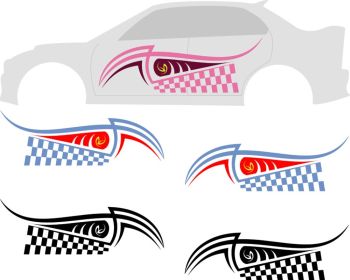
  • Digital design. Vinyl vehicle wraps can be customized with digitally printed designs, allowing you to create a distinctive appearance for your vehicle. Some websites have incredible samples of vinyl ready designs. You can also contact them to create a design that will advertise your brand.
  • Whenever you decide to go back to the original paint or get a whole new color, you can easily do so with a vinyl wrap. Change the look of your car how often you want because the wraps are removable and replaceable.

The disadvantages of vinyl wrapping are very minimal. They are the same drawbacks of customization. So, should you wrap your car? Give it a try. You will never regret it. Because with vinyl graphics, you always get what you pay for.