
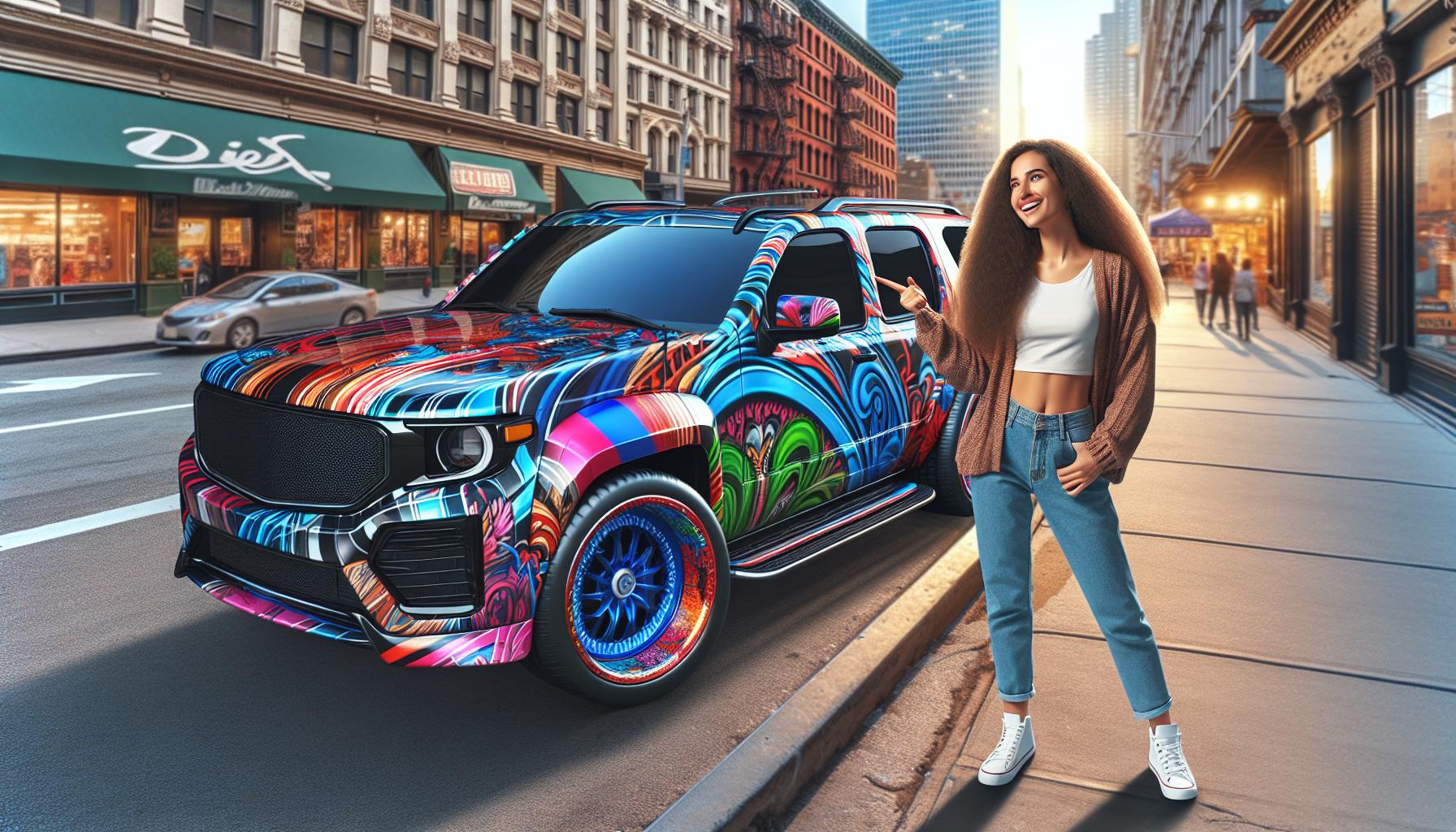
Looking to transform your vehicle’s appearance while protecting its original paint? Vehicle wraps offer an innovative solution that’s becoming increasingly popular among car enthusiasts and businesses alike. We’ll explore how these vinyl applications can completely change your vehicle’s look while providing a layer of protection.
From sleek matte finishes to eye-catching graphics vehicle wraps have revolutionized the way we think about car customization. They’re not just for commercial vehicles anymore – personal cars trucks and even boats can benefit from this versatile technology. Whether you’re interested in promoting your business or simply want to stand out on the road we’ve got everything you need to know about this modern automotive makeover solution.
What Is a Vehicle Wrap and How Does It Work
A vehicle wrap consists of large vinyl sheets professionally applied to a vehicle’s exterior surfaces. These adhesive-backed films conform to the vehicle’s shape through heat application techniques to create a seamless, paint-like finish.
Types of Vehicle Wrap Materials
Vehicle wrap materials come in three primary categories:
- Cast Vinyl: Premium-grade material with 5-7 year durability featuring superior conformability around curves
- Calendered Vinyl: Mid-grade material with 3-5 year lifespan ideal for flat surfaces
- Specialty Films: Chrome, color-shifting matte finishes for unique aesthetic effects
Each material incorporates distinct adhesive technologies:
- Air-release channels preventing bubble formation
- Pressure-activated adhesives enabling precise positioning
- Heat-sensitive bonding agents creating permanent adhesion
Full Wraps vs Partial Wraps
Full vehicle wraps cover 100% of the original paint surface with vinyl material. The complete coverage includes:
- Hood roof trunk panels
- Front rear quarter panels
- Doors bumpers
- Side mirrors trim pieces
- Hood doors only
- Quarter panel graphics
- Roof pillars accent strips
- Window banner text
| Wrap Type | Coverage | Average Cost |
|---|---|---|
| Full Wrap | 100% | $2,500-5,000 |
| Partial Wrap | 25-75% | $750-2,000 |
| Spot Graphics | Under 25% | $250-750 |
Benefits of Vehicle Wrapping

Vehicle wraps transform vehicles into powerful marketing tools while providing essential protection for the original paintwork. These versatile applications deliver multiple advantages for both commercial fleet owners and individual vehicle owners.
Cost-Effective Marketing Solution
Vehicle wraps generate 30,000-70,000 daily impressions in urban areas, offering the lowest cost-per-impression of any advertising medium. A single wrapped vehicle creates continuous brand exposure for 3-5 years at a fraction of the cost of traditional billboard or television advertising.
| Marketing Medium | Cost per 1,000 Impressions |
|---|---|
| Vehicle Wrap | $0.15 |
| Billboard | $3.56 |
| Television | $23.70 |
Paint Protection Advantages
A professional vehicle wrap acts as a protective barrier between environmental elements and the original paint surface. The vinyl material shields against:
- UV rays that cause paint oxidation and fading
- Rock chips from road debris
- Minor scratches from automatic car washes
- Tree sap and bird droppings
- Winter salt exposure
The wrap preserves the factory paint’s condition, maintaining the vehicle’s resale value when removed after 5-7 years of use. Paint protection wraps feature self-healing properties that eliminate minor surface scratches through heat exposure.
The Vehicle Wrap Design Process

The vehicle wrap design process combines artistic creativity with technical precision to create visually striking results. This systematic approach ensures the final wrap aligns with brand objectives while maintaining visual appeal.
Custom Graphics and Branding Elements
Custom vehicle wraps transform business logos into high-impact mobile advertising. The design integrates corporate colors, typography, contact information, taglines into a cohesive layout that flows with the vehicle’s contours. Professional designers create scaled mock-ups showing graphics placement on specific vehicle models to visualize the final wrap appearance.
Color and Pattern Selection
Vehicle wrap color selection impacts brand recognition and visual presence on the road. The process involves:
- Analyzing existing brand colors for consistency across marketing materials
- Selecting complementary vinyl finishes like matte, gloss, metallic or carbon fiber
- Testing color combinations under different lighting conditions
- Evaluating pattern scale relative to vehicle size
- Confirming vinyl material availability in chosen colors
- Creating gradient transitions between different wrap sections
Each color choice undergoes evaluation for durability, UV resistance and heat absorption properties. Premium wrap materials maintain vibrancy for 5-7 years with proper care. The final palette balances aesthetic appeal with practical performance requirements.
Professional Installation Requirements
Vehicle wrap installation demands specialized expertise to achieve optimal results. Professional installers follow precise protocols to ensure durability, appearance, and longevity of vehicle wraps.
Surface Preparation Steps
- Clean the vehicle exterior using isopropyl alcohol to remove wax, grease and contaminants
- Address paint imperfections through spot repair or touch-up
- Remove exterior components including:
- Headlights and taillights
- Door handles
- Side mirrors
- Emblems and badges
- Document existing damage through detailed photography
- Mark panel edges and alignment points using low-tack masking tape
- Maintain temperature-controlled environment between 65-75°F
- Allow 24-hour acclimation period for wrap materials
- Position vinyl panels using:
- Precise measurements
- Registration marks
- Panel overlap guidelines
- Apply vinyl through sequential steps:
- Initial positioning
- Light squeegee pressure
- Heat activation at 180-200°F
- Final pressure pass
- Execute specialized techniques for:
- Complex curves
- Deep recesses
- Multi-panel alignment
- Post-installation procedures include:
- 24-hour cure time
- Final heat pass
- Quality inspection
- Trim excess material
- Reinstall components
| Installation Area | Temperature Range | Cure Time |
|---|---|---|
| Indoor Space | 65-75°F | 24 hours |
| Vinyl Application | 180-200°F | During installation |
| Post-Install Heat | 200-220°F | Final pass |
Maintaining Your Vehicle Wrap

Vehicle wraps require specific maintenance practices to preserve their appearance and extend their service life. Regular care protects your investment and maintains the wrap’s visual impact.
Cleaning and Care Tips
Professional vehicle wraps demand gentle cleaning methods to maintain their pristine condition:
- Hand wash the wrapped surface using automotive soap designed for matte finishes
- Clean with microfiber cloths in straight motions, avoiding circular movements
- Avoid automatic car washes with brushes or harsh chemicals
- Remove bird droppings, tree sap or bug splatter immediately
- Park in covered areas when possible to minimize UV exposure
- Apply specialized vinyl protectant every 3-4 months
Expected Lifespan
A properly maintained vehicle wrap lasts 5-7 years under normal conditions:
| Environmental Factor | Impact on Lifespan |
|---|---|
| Direct Sunlight | -1 to -2 years |
| Covered Parking | +1 to +2 years |
| Coastal Areas | -1 year |
| Urban Pollution | -6 months |
Key factors affecting wrap durability:
- Quality of installation
- Type of vinyl material used
- Environmental exposure levels
- Frequency of maintenance
- Storage conditions
- Driving conditions
The wrap’s edges and horizontal surfaces experience faster wear compared to vertical panels. Premium-grade vehicle wraps maintain color vibrancy longer when protected from extreme weather conditions.
The Cost of Vehicle Wraps
Vehicle wrap pricing varies based on multiple factors, with full wraps ranging from $2,500 to $6,000 for standard passenger vehicles. The investment reflects both material quality and installation complexity.
Pricing Factors to Consider
Material quality impacts vehicle wrap costs significantly:
- Premium cast vinyl: $15-25 per square foot
- Standard calendered vinyl: $8-15 per square foot
- Specialty finishes (chrome, color shift): $25-35 per square foot
Vehicle size and complexity affect pricing:
| Vehicle Type | Partial Wrap | Full Wrap |
|---|---|---|
| Compact Car | $1,500-2,500 | $2,500-3,500 |
| SUV/Van | $2,000-3,000 | $3,500-5,000 |
| Box Truck | $2,500-4,000 | $4,000-6,000 |
Design complexity adds to the base cost:
- Basic solid colors: +$200-500
- Custom graphics: +$500-1,500
- Complex patterns: +$1,000-2,500
Installation requirements influence pricing:
- Surface preparation
- Panel removal/reinstallation
- Multiple installation sessions
- Geographic location of service provider
Additional cost considerations:
- Design consultation fees: $150-500
- Removal of existing wraps: $500-1,000
- Paint correction: $200-800
- Protective overlaminate: $2-5 per square foot
- Business licensing compliance
- Insurance documentation
- Multiple design revisions
- Extended warranties
Conclusion
Vehicle wraps represent one of the most dynamic and cost-effective solutions for both business advertising and personal vehicle customization. We’ve seen how these versatile vinyl applications transform vehicles while providing essential paint protection and brand visibility.
From design flexibility to long-term durability professional installation and proper maintenance are key to maximizing your wrap’s potential. With proper care these investments can deliver impressive returns through enhanced brand visibility and vehicle protection for years to come.
Whether you’re a business owner looking to boost your marketing presence or an individual seeking a unique vehicle appearance vehicle wraps offer an unmatched combination of style protection and value. We encourage you to explore this innovative solution for your vehicle transformation needs.